
PERSONAL INJURY LAW · SONG LAW FIRM COLUMN
Situation
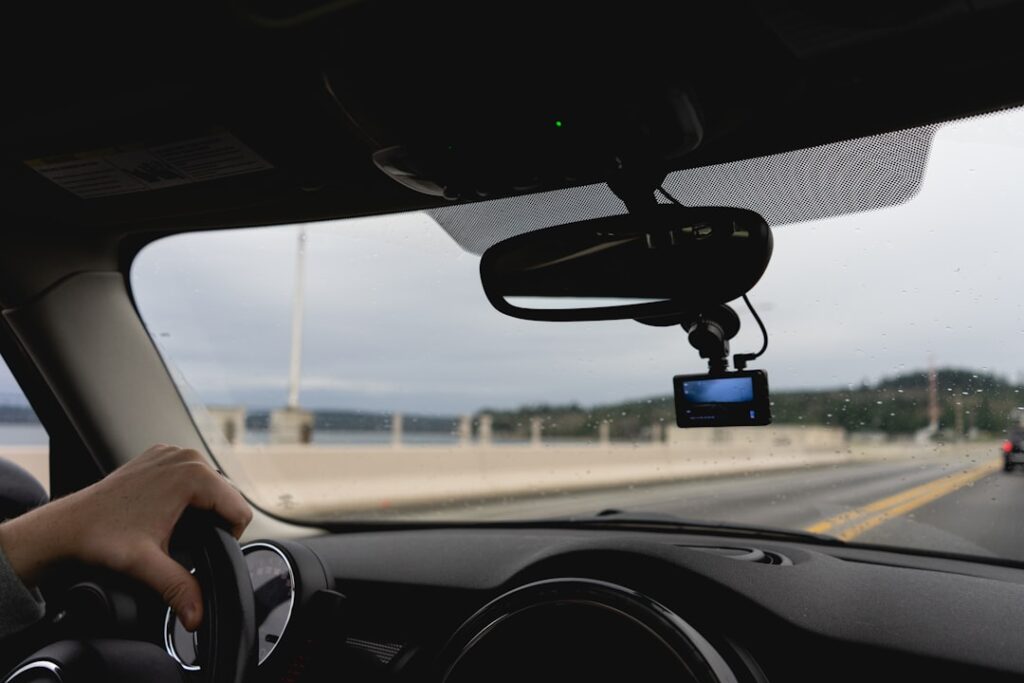
Dashcams — from single-lens front units to three-channel front/rear/interior systems with parking-mode monitoring and automatic cloud upload — have become standard equipment on New Jersey roads, and their footage now anchors a growing share of personal injury and property-damage cases. Because the driver who owns the video usually also has the greatest interest in the outcome, disputes over when to disclose the file, how to preserve the original, and how to challenge an edited version supplied by the opposing party have become the deciding point in many recent NJ filings. Even a clip that seems obviously exculpatory can lose value once it passes through re-encoding, cropping, or careless email attachments, so treating the recording as formal evidence from the first minute after the crash is the single most important habit an NJ driver can adopt.
Legal Concept
Under New Jersey Rule of Evidence (N.J.R.E.) 901, video is admissible only when authenticated — the proponent must show it fairly and accurately depicts the event in question. Authentication typically combines (1) the recording driver's testimony that the video shows what he or she witnessed, (2) proof the device was functioning normally at the time, (3) preserved original files with intact EXIF metadata, timestamps, and cryptographic hashes such as MD5 and SHA-256, and (4) a documented chain of custody from the SD card through counsel to the courtroom exhibit. The best-evidence rule at N.J.R.E. 1002 requires the original digital file whenever practicable; a re-encoded YouTube copy or a cropped export can be excluded when the original is available but withheld. Discovery of the footage is governed by R. 4:10 for parties and, for non-party records held by repair shops or cloud vendors, by R. 4:14-7 subpoenas duces tecum.
NJ Rules
New Jersey courts have applied strict spoliation doctrine since Rosenblit v. Zimmerman, 166 N.J. 391 (2001), and later decisions extend those consequences to negligent as well as intentional loss of digital evidence. If a driver simply lets the dashcam's loop recording overwrite the crash footage rather than removing the SD card, that omission alone can trigger an adverse-inference instruction at trial. Sanctions available to the court include evidence preclusion, adverse-inference jury instructions, monetary awards, and — in extreme cases — dismissal of a claim or default on a defense. Because most modern dashcams (BlackVue Over the Cloud, Thinkware Cloud, VIOFO, Garmin Vault) sync to cloud services, server logs and account audit trails from the manufacturer have become critical secondary evidence when the physical card is lost, damaged, or overwritten before counsel is retained.
Practical Response
1. Preserve the original card immediately: eject the microSD, seal it in a labeled envelope with date, vehicle, and driver name, and stop using the camera on that card.
2. Generate hashes: your attorney or a forensic vendor should compute MD5 and SHA-256 values for each original file and record them in a preservation memo the same day.
3. Capture cloud logs: screenshot the app's upload history and, where possible, request an account audit log from the manufacturer that ties the file to your account and device.
4. Decide disclosure timing carefully: voluntary early production to an adjuster can help liability determinations when you are clearly not at fault, but in mixed-fault or serious-injury cases counsel usually withholds until formal discovery.
5. Respond to opposing subpoenas by producing a forensically true copy plus the hash — not the SD card itself — and reserving the original for court review under a protective order when appropriate.
6. If the adversary produces a suspiciously trimmed clip, retain a video-forensics expert to examine frame-rate consistency, splice points, audio waveform continuity, and container-level metadata; move to exclude or for spoliation relief when tampering is shown.
Common Misunderstandings
The most common error is treating the video as personal property the owner can freely edit — 'it's my footage, I can cut it however I want.' Once a crash has occurred, the recording is potential evidence, and trimming, brightening, or speed-adjusting it can itself constitute spoliation. Uploading only to YouTube is not preservation either: the platform re-encodes the video and strips much of the metadata that authentication depends on. It is also untrue that any police request must be answered on the spot; absent a search warrant or civil subpoena, drivers may consult counsel before turning over the card, and a courteous 'I need to speak with my attorney first' does not obstruct the investigation.
Key Takeaways
- Preserve the original SD card, hash the files, and capture cloud sync logs — these three steps decide most authentication fights.
- N.J.R.E. 901 and 1002 require original, provenance-verifiable footage; edited exports and YouTube copies risk exclusion.
- Voluntary early disclosure can help or hurt; counsel should assess the fault posture before release to any adjuster.
- Adversary-produced clips are challengeable through forensic analysis and spoliation motions under Rosenblit and its progeny.
FAQ
Q1. Should I send my dashcam clip to the other driver's insurer right away?
A. Not without counsel review — early release invites selective editing. Preserve the original first and route disclosures through your attorney.
Q2. Does cloud-uploaded footage satisfy N.J.R.E. 901?
A. Yes, when combined with upload timestamps, server logs, and account-ownership records that establish provenance and continuity of custody.
Q3. Can I obtain the other driver's dashcam video?
A. A R. 4:14-7 subpoena duces tecum can compel production from the driver, a repair shop, or the manufacturer's cloud host.
Q4. Is in-cabin footage admissible?
A. It can be, but New Jersey's one-party-consent recording rule and passenger privacy considerations must be assessed before it is offered as evidence.
For a consultation on dashcam preservation and NJ evidentiary strategy, please contact Song Law Firm.
SONG LAW FIRM
Need advice on an auto accident or personal injury matter?
📞 201.461.0031 · ✉ mail@songlawfirm.com · 🌐 songlawfirm.com
📍 Parker Plaza, 400 Kelby Street, Suite 1900, Fort Lee, NJ 07024
