
PERSONAL INJURY LAW · SONG LAW FIRM COLUMN
Situation
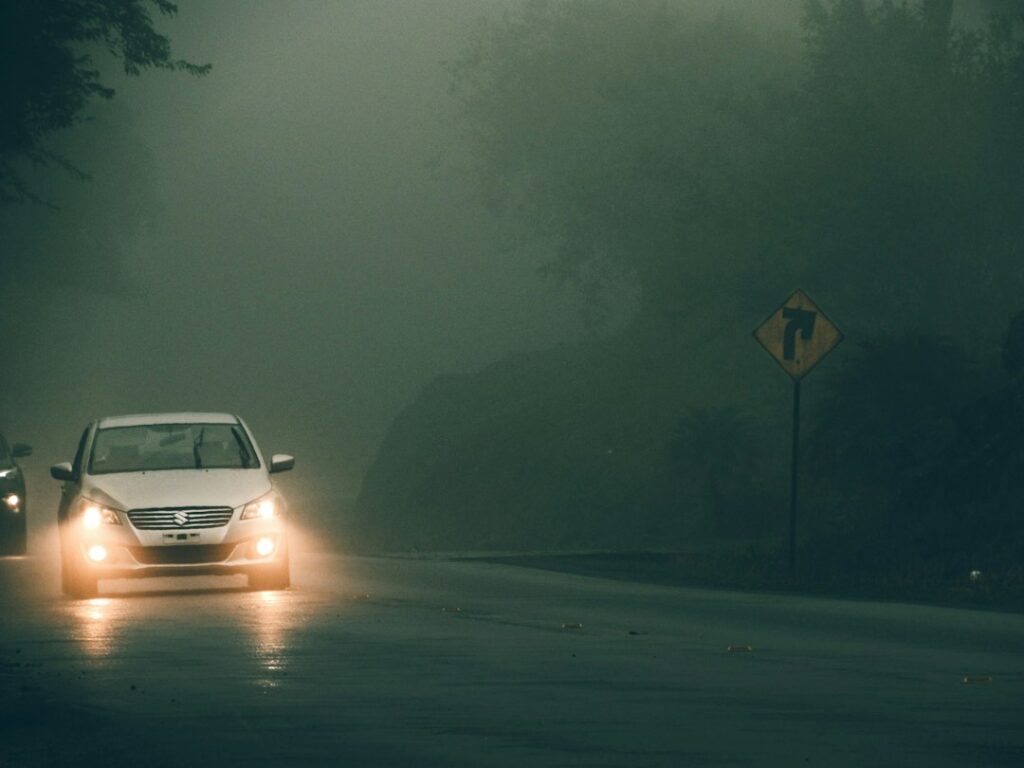
New Jersey drivers face autumn downpours, winter snow and black ice, and springtime fog. After a crash, parties often try to "blame the weather," but New Jersey courts rarely accept it. Drivers owe a Reasonable Driver Standard duty — slowing down and raising attention — whenever conditions change.
Legal Concept
Fault in weather-related crashes is measured against the care a reasonable driver would exercise under the same conditions. Rain, snow, and fog are not excuses; they are signals that the duty of care has risen. The Sudden Emergency Doctrine occasionally mitigates fault when a truly unforeseeable condition (immediate black ice, sudden whiteout, wind gust) forces an instant decision, but only if the driver did not create the emergency and had no reasonable alternative. New Jersey courts apply the doctrine sparingly.
NJ Rules
N.J.S.A. 39:4-98 forbids driving at a speed unsafe for "existing road, weather, and traffic conditions." Complying with the posted limit does not shield a driver whose speed was unreasonable for heavy rain or fog. Pair that with brake and tire regulations (N.J.S.A. 39:3-66, 39:3-70), and liability compounds. Commercial drivers face additional FMCSA and NJ MVC condition-based restrictions.
Practical Response
Activate hazards, move to a safe location, call 911, photograph the scene, and collect witnesses. Preserve NOAA and Weather Underground data, roadway photographs, and NJDOT 511 alert logs — this trio often controls liability analysis. Anticipate a Sudden Emergency defense; preserve dashcam footage and surrounding surveillance showing driver behavior before the crash. Begin treatment immediately and have the medical record state the collision mechanism clearly.
Common Misunderstandings
"Weather-related crashes rarely recover" is only half true. Under the Reasonable Driver Standard, driver fault is routinely found when speed, following distance, worn tires, or phone use contributed. The idea that a Sudden Emergency argument automatically wins is also wrong — the doctrine is narrow and never applies when the driver helped create the emergency.
Key Takeaways
In New Jersey, weather is not a shield; it heightens the duty of care. Systematic preservation of weather records, roadway conditions, and vehicle maintenance history is key to rebutting a weather-based defense. The Sudden Emergency Doctrine is a tightly scoped exception that requires experienced legal analysis. Mind the two-year personal-injury statute and the ninety-day Tort Claims Notice for public-entity defendants.
FAQ
Q. Can I recover for a crash that happened in heavy rain? A. Yes, because drivers must raise their care to match conditions, and liability is often found. Q. When does the Sudden Emergency Doctrine apply? A. Only when the driver did not create the emergency and had no alternative — rarely in practice. Q. How do I prove the weather? A. NOAA Climatological Data, Weather Underground history, and NJDOT 511 alert logs.
SONG LAW FIRM
Need advice on an auto accident or personal injury matter?
📞 201.461.0031 · ✉ mail@songlawfirm.com · 🌐 songlawfirm.com
📍 Parker Plaza, 400 Kelby Street, Suite 1900, Fort Lee, NJ 07024
