
Case Study: Commercial Tenant Abandoned the Lease — Landlord Recovers Rent and Enforces Personal Guaranty
The Situation
The client is a small business owner who owns a retail strip property in New Jersey. Like many independent property owners, the client depends on steady rent from each unit to cover the mortgage, taxes, insurance, and upkeep of the shared areas. One of the units was leased to a restaurant operating company under a ten-year commercial lease. When the lease was signed, the restaurant company’s principal also signed a personal guaranty, giving the client a second source of payment if the business itself failed to perform.
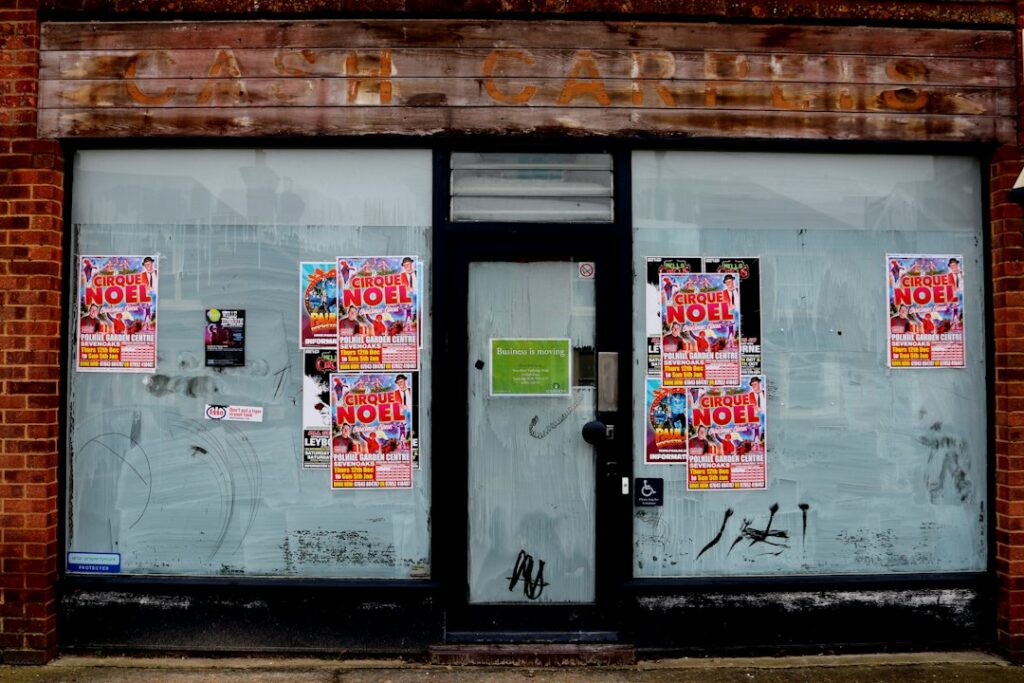
With roughly three years left on the lease, the arrangement fell apart. The tenant stopped paying rent, removed its equipment, and vacated the premises. By the time the client came to Song Law Firm, several months of rent and common area charges were unpaid and the space was sitting empty. A vacant unit in a retail strip does more than cost the owner rent. It can also make the property look less attractive to shoppers and to future tenants.
When the client demanded payment, the tenant raised two defenses. First, it claimed the landlord had failed to make roof repairs, which in its view justified leaving. Second, the principal argued that the personal guaranty was unenforceable. The client faced a real risk. If either defense held up, the client could lose both the remaining rent and the protection the guaranty was supposed to provide.
The Legal Issues
The case raised several connected questions under New Jersey law. The first was the landlord’s own obligations after the tenant left. New Jersey does not allow a landlord to leave abandoned commercial space empty and simply bill the departed tenant for every remaining month. Instead, the landlord must make reasonable efforts to re-let the premises and reduce, or “mitigate,” its losses. A landlord who cannot show reasonable diligence in trying to re-let may see its recovery reduced. The second question was the tenant’s roof-repair argument, which amounted to a constructive-eviction defense. In general terms, that defense requires a tenant to show that the landlord’s failure to perform seriously interfered with the tenant’s use of the premises, so that leaving was justified. If the landlord in fact responded to the complaints, the defense becomes much harder to support.
The third question was the personal guaranty. Whether a guarantor is bound, and to what extent, depends heavily on the wording of the guaranty itself. Finally, there was procedure. In New Jersey, a party may ask the court to decide a case, or part of a case, without a trial through summary judgment. Summary judgment is appropriate when the evidence shows no genuine dispute over the facts that matter and the moving party is entitled to judgment as a matter of law. The court reviews the evidence in the light most favorable to the party opposing the motion.
- Sommer v. Kridel, 74 N.J. 446 (1977) — The New Jersey Supreme Court decision recognizing that a landlord has a duty to make reasonable efforts to mitigate damages when a tenant abandons leased premises.
- Brill v. Guardian Life Insurance Co. of America, 142 N.J. 520 (1995) — The leading New Jersey decision on the summary judgment standard. It explains that a court should ask whether the evidence, viewed favorably to the opposing party, would allow a rational factfinder to resolve the disputed issue in that party’s favor.
- R. 4:46-2 — The New Jersey court rule governing summary judgment motions, including the requirement that there be no genuine issue as to any material fact.
Song Law Firm’s Strategy
Song Law Firm started with the issue the tenant would most likely try to use against the client, which was mitigation. Because New Jersey requires a landlord to mitigate when a tenant abandons, the firm worked with the client to document every step taken to re-let the space. That record included listing the unit with a broker, arranging showings for prospective tenants, and offering rent concessions to attract a replacement. The goal was to make the landlord’s reasonable diligence clear from the documents themselves. Building that record early did two things. It answered a predictable defense, and it laid the groundwork for an accurate damages calculation later.
Next, the firm addressed the roof-repair claim directly. Rather than relying on the client’s recollection, the firm gathered maintenance records and email correspondence. Those materials showed that the tenant’s roof complaints had been promptly addressed. With that evidence, the constructive-eviction defense lost its footing. The tenant could not credibly claim it was forced out by a landlord who ignored its concerns when the written record showed the opposite. This approach was chosen because documentary evidence created at the time of the events tends to carry more weight than after-the-fact accounts from either side.
The firm then filed suit against both the tenant entity and the principal who signed the guaranty. Before doing so, the firm closely reviewed the guaranty language. The document was written as an absolute and unconditional guaranty of payment. That wording mattered because it directly answered the principal’s argument that the guaranty could not be enforced. Naming both parties also meant the client was not left depending only on a business entity that had already stopped operating at the location. Once discovery and the documentary record showed that there was no genuine factual dispute about the tenant’s default, the landlord’s response to the roof complaints, or the terms of the guaranty, the firm moved for summary judgment on liability under R. 4:46-2. It applied the standard described in Brill. Seeking judgment on liability, rather than taking the whole case to trial, was a practical way to resolve the central dispute efficiently while preserving the damages question for resolution afterward.
Outcome and Takeaways
The court granted summary judgment on liability against both the tenant and the guarantor. With liability established, the parties settled the damages portion of the case. The settlement accounted for unpaid rent through the re-letting period, less the rent received from the new tenant, plus contractual attorney’s fees under the lease. The space was re-let to a new tenant, so the client’s property was once again producing income and the unit no longer sat vacant.
For commercial landlords in New Jersey and New York facing a similar situation, a few practical lessons stand out:
- Start mitigation right away and keep records. Broker listings, showing logs, and any concessions offered can become key evidence that you acted reasonably after a tenant left.
- Respond to repair complaints promptly and in writing. Maintenance records and email trails can defeat a later claim that the tenant was forced out.
- Read the guaranty carefully before relying on it. The exact wording, such as whether it is an absolute and unconditional guaranty of payment, can determine whether the guarantor is personally responsible.
- Consider summary judgment when the facts are clear. A well-documented record may allow liability to be decided without a full trial, which can encourage a practical settlement on damages.
Prior results do not guarantee a similar outcome.
Contact Us
Song Law Firm, LLC
Phone: 201.461.0031
Email: mail@songlawfirm.com
Website: songlawfirm.com
Office: Parker Plaza, 400 Kelby Street, Suite 1900, Fort Lee, NJ 07024
Hours: Monday–Friday 09:00–18:00 ET
This material is for general informational purposes only and is not legal advice on any specific matter. Outcomes depend on the applicable state law and the specific facts of each case; please consult a licensed attorney. Attorney Advertising — NJ Rules of Professional Conduct 7.1. Prior results do not guarantee a similar outcome.
